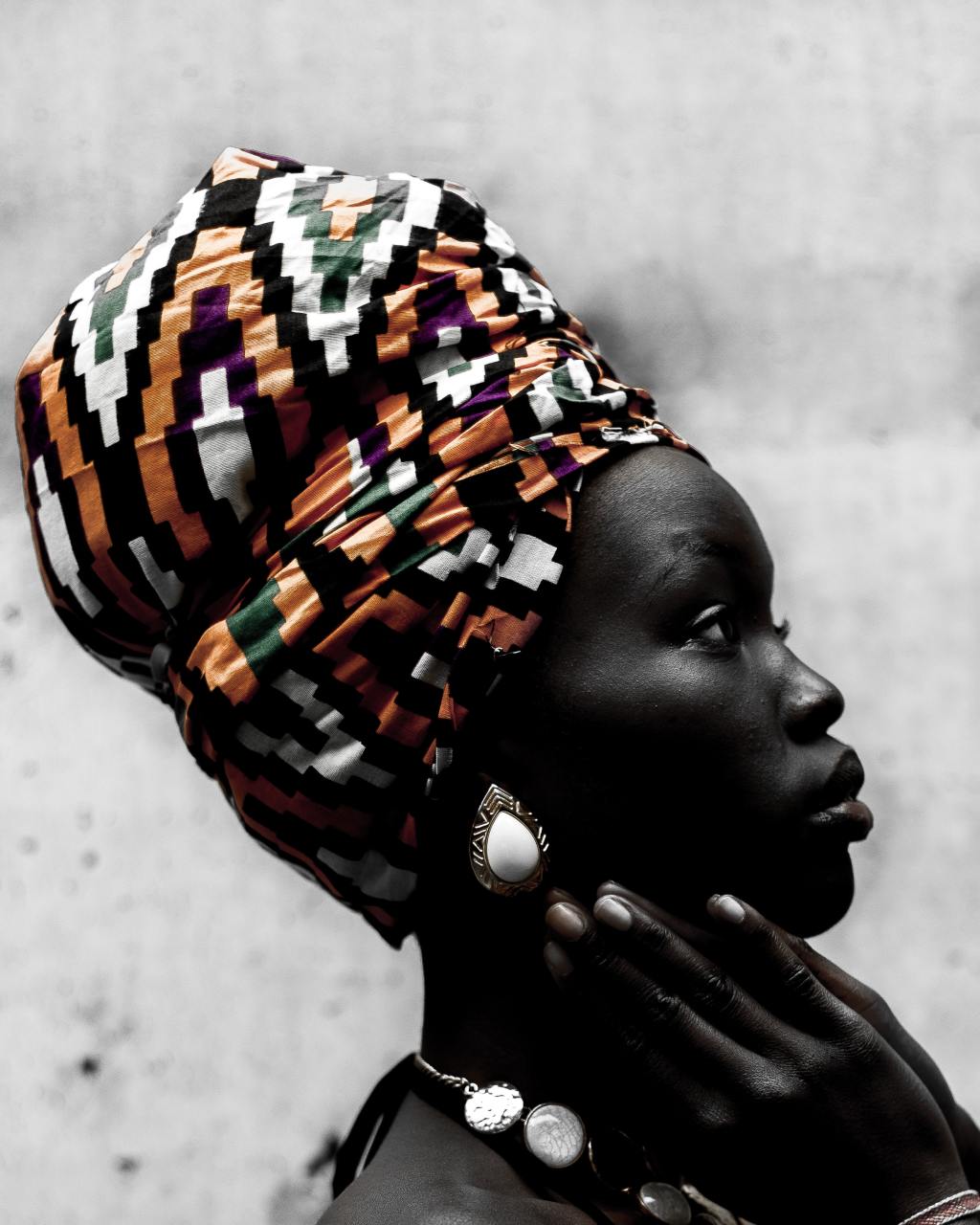
In today’s world, many black people are beginning to wake up and recognize their history and where they come from. This is a good thing, in fact, this should be celebrated on all accounts. The most traumatic thing to learn however, is that during the Transatlantic Slave Trade many of my ancestors died. They died on the vessels that carried them to the Americas, they died on the plantations, and they died during the revolts that eventually led to freedom.
However, what many people seem to think is that because of how they died and the corruption caused by the white plantation owners during those days, that Christianity had been forced on us as black people. This is true to an extent, but here goes nothing.
Just a quick note, this post is not to condemn or influence anyone’s religious beliefs (or lack of thereof) nor is it intended to change anyone’s perspective or view of things. This is purely informatory. I write this because I want everyone to be educated about the history of Christianity as it pertains to the Slave Trade and the West Africans that were enslaved. This is more of an informational post rather than a spiritual or opinionated one, so whether or not you believe in the religion is up to you.
Many of my ancestors were bought/stole/kidnapped from West Africa in order to work on plantations within the Americas, this included what is now the U.S. and the Caribbean. They already had their own spiritual beliefs and religion, which can be seen today in Africa as well as in the Americas.
When they landed in the Americas, two schools of thought arose: there were planters who believed that because West Africans were ‘heathen’ that it was justifiable to enslave them and then there were planters who believed that ‘converting’ them would make them more docile and willing to work. With that being said, of the Africans who were forced to convert, the planters did everything in their power to still stagnate their spiritual beliefs and the way the Africans wanted to worship.

At the time, there were significantly more planters who believed the first school of thought: that African heathenism was grounds to justify slavery. In Europe, most civilians were unaware of what was taking place in the Americas and didn’t even know about the cruelties that were happening to West Africans. Africans that were living in Europe at the time (there was) were never seen as heathens and many trades between Africa and Europe was being done out of respect for each other (other things such as cultural differences can be debatable depending on how you interpret history).
When some of the churches in Europe learned of what was taking place in the Americas, they were outraged, claiming that slavery was against Christian doctrine. However, many other Christians (especially those who were slave owners at the time) began to use the religion to justify slavery. In fact, they used the religion to justify racism. The topics that they used to justify what they did included teaching that Africans were descendants of Ham and that they were cursed, even claiming that slavery was necessary to carry out God’s will. Some planters taught this doctrine to their African slaves in order to keep them submissive.
However, other Christian missionaries were completely against this and made a point to set up churches in the Americas in order to teach the Africans to read (this came in handy in reading slave bills) and to fight for their freedom. Nevertheless, all these opinions were still the opinions of white Europeans and not necessarily the opinions of those who were actually suffering: the African slaves.
So, what did the slaves do? They found a way to identify with the religion and to mix their understanding of spiritual things with this new-found religion. After reading the bible and finding identity with the teachings of Christ and the Israelites when they were in captivity, many of them took the religion and began to use it to enlighten other slaves, encouraging them to join in with rebellion. Even the well-loved Negro Spirituals that many black Christians sing today were written by slaves as direct opposition to white culture and politics.

An example of this is the Spiritual, ‘Nobody Knows the Trouble I’ve Seen’, which speaks of the hardships many of the slaves bore on the plantation. ‘Wade in the Water’ is another Spiritual that was sung and the song was based on the Exodus of the Israelites out of Egypt. It is also believed that the song contained a hidden meaning to fugitive slaves that enabled them to avoid recapture. These messages had hidden meanings and took inspiration from West African music, culture, and spirituality. They were lyrics that spoke of the hardship that the slaves bore and their opposition to the planters that enslaved them. These songs helped to form their rebellion.
Today, we consider the most successful rebellion to be the Haitian Revolution, the first country to have slavery abolished, and the first country to have done so through the means of a slave rebellion. This successful rebellion is credited to Toussaint Louverture, the general that led the rebellion. He was a well-educated man. Louverture was a slave up until 1776, before he led the rebellion that would abolish slavery in Haiti. His work in the slave rebellion found its inspiration in several different social issues, including his background as a Catholic who believed that slavery was against the teachings of the Church and that freedom was every man’s God-given right.

Another person that comes to mind is Samuel Sharpe, an enslaved Jamaican and Baptist deacon who led the slave rebellion known as the Baptist War (Christmas Rebellion). He led this uprising during a time when missionary rebels and abolitionists were learning of a supposed bill that would abolish slavery. Several churches organized protests and strikes, and Sharpe’s church was one of them.
The Christian faith have been heavily scrutinized among the black community as it relates to the church’s role in slavery and this scrutiny comes with good and sound logic. After all, Christian planters used the bible and the religion to justify their actions. However, the great thing about my ancestors was that they were able to take a religion (meant to keep them docile), study it, and learn that their beliefs can be used to actually empower and free them. My ancestors were the ones that used this very religion to liberate the African slaves, by finding their identity in it. Even so, they were able to regain and reconnect to a form of worship that was authentic and unique to them, finding its roots in West African culture and bringing it to a society that tried to destroy it.
Whether or not you believe in the religion is a personal choice and no one should tell you what you should and shouldn’t believe, but it is still significant for all of us to learn where our beliefs stem from and what role it played in our past. Throughout history, many religions have been morally grey: having been persecuted or was the persecutor. Many religious scriptures and holy books have been interpreted, reinterpreted, and even misinterpreted to fit a bias or personal agenda. It doesn’t matter to what religion someone belongs or doesn’t belong, it matters right now our hearts, our thinking, our willingness to learn from past mistakes and to do better, as well as understanding our history and what we can do to create an atmosphere of love, peace, joy, and unity.
No one should be scrutinized, hated, or discredited for their beliefs. No one should be indoctrinated and forced to believe something. We all are given free will to believe as we want. We all should have a right to freedom: freedom to live, freedom to learn, freedom to believe, freedom to excel and grow. Freedom is what my ancestors fought for. Freedom is what should be encouraged. Freedom is what should be celebrated.




 Becoming the Oil and Wine
Leave a reply to Nickay Cancel reply