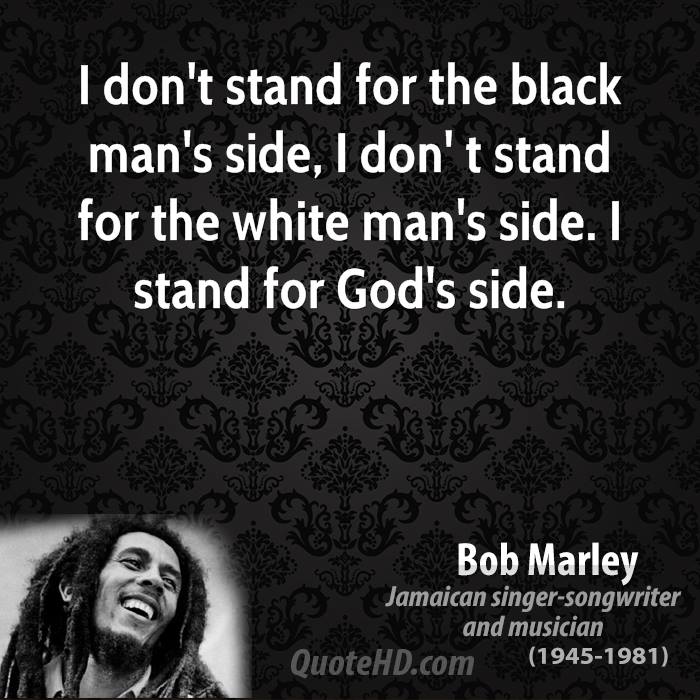
All over the world, the black race has fought for freedom and equal rights.
Still, I will be amiss if I do not return to my homeland to celebrate some of the great heroes and leaders who have fought for the abolition of slavery and the improvement of the Jamaican people.
If you have missed the first part of this series, you can recap here.
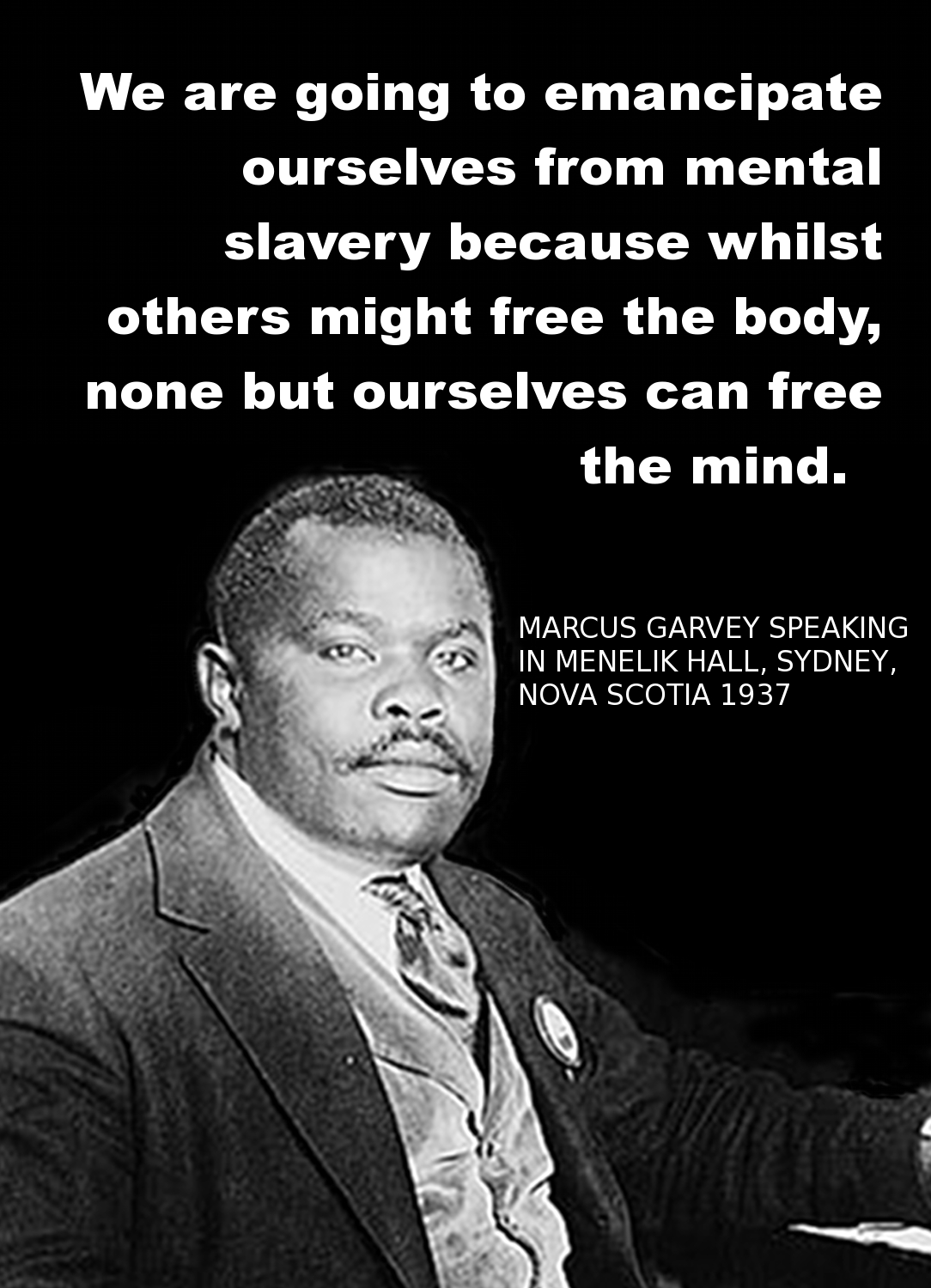
Marcus Mosiah Garvey (1887-1940 ) was the first to attain national hero status in Jamaica in 1969.
He founded the Universal Negro Improvement Association (UNIA), in Jamaica in 1914.
The organization grew internationally protesting against racial discrimination and fighting for the improvement of black people worldwide.
In 1929, He formed the People’s Political Party in Jamaica.
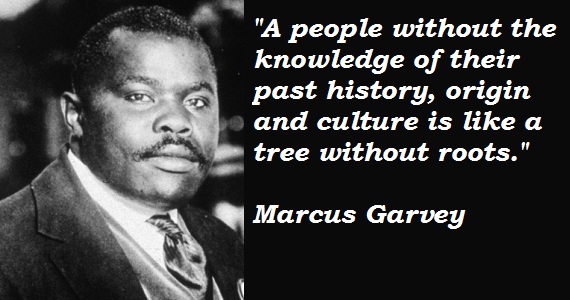
Garvey also started the Back To Africa Movement and the Black Star Line in 1919.
He believed that the black race should return to their homeland in Africa. However, not everyone supported this idea.
Garvey traveled extensively throughout his career defending the cause for equal rights and justice for his people.
Nanny of the Maroons
The mother and spiritual leader of the Maroons in the 18th century was an old lady called Nanny.
She was very gifted in organizing guerrilla warfare against the British soldiers.
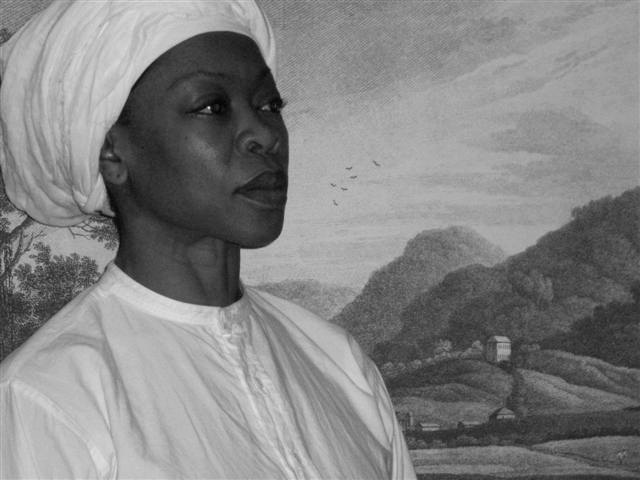
She was given national hero status on March 31, 1982.
Samuel Sharpe preferred to die on an “obscure gallows” than to remain in slavery.
So, he organized a group of slaves to burn the Kensington Estate Great House which signaled the beginning of the slave rebellion.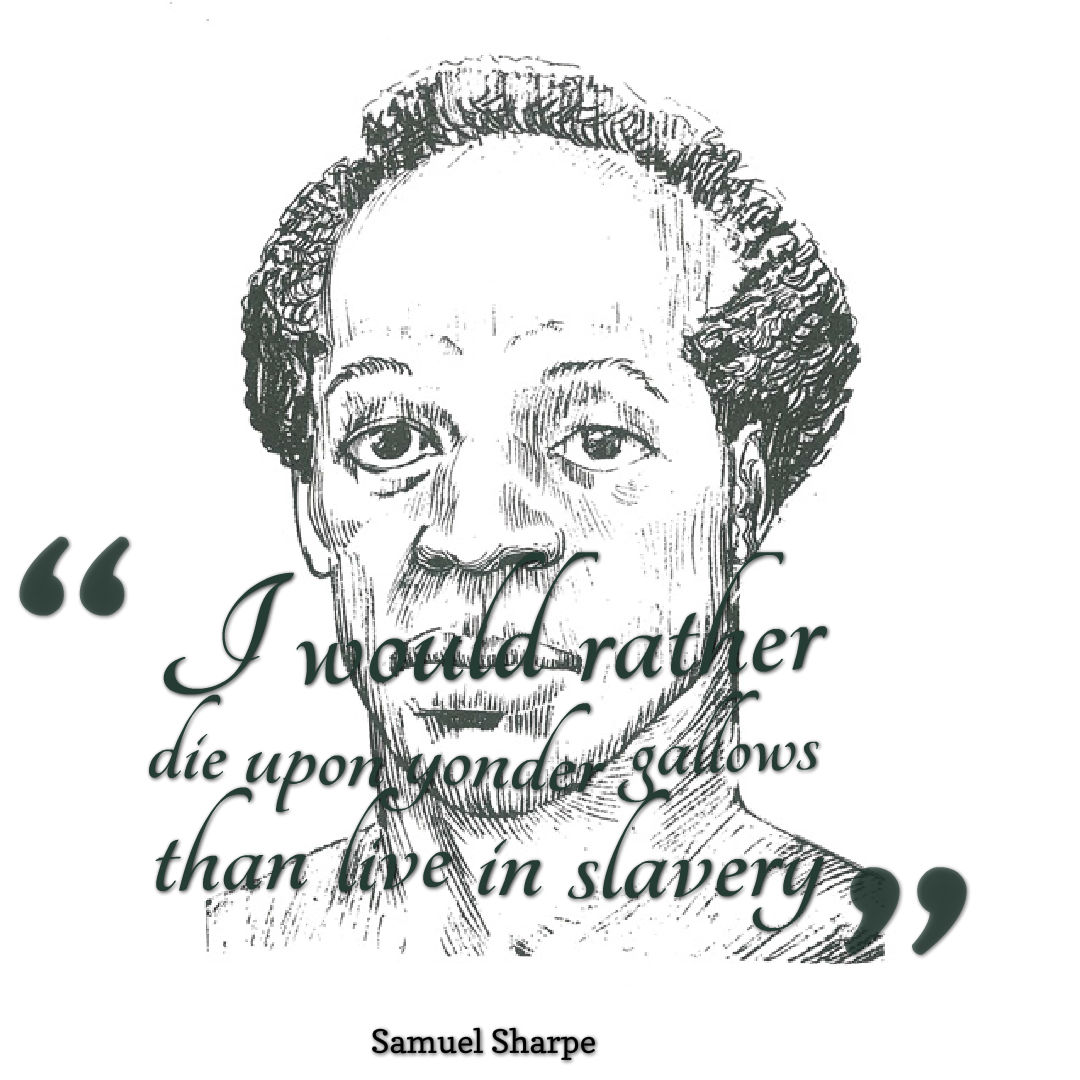
He was hanged on May 23, 1832.
Two years later, the Abolition Bill, was passed by the British Parliament, and in 1838, slavery was abolished. He was given national hero status on March 31, 1982.
George William Gordon’s mother was a slave and his father was a plantation owner.
Gordon believed that education was the road out of slavery and poverty.
So, he educated himself, became a landowner in St Thomas, and entered politics to help the freed slaves in Jamaica.
Gordon encouraged the people to fight for better living and working conditions. He also organized a marketing system and subdivided his land to sell cheaply to ex-slaves.
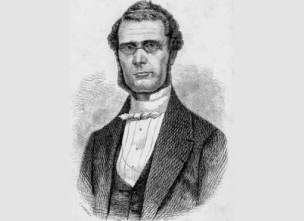
Sir William was accused of helping to instigate the Morant Bay rebellion and was convicted and sentenced to death. George William Gordon (1820 – 23 October 1865) received the order of national hero in 1969.
Paul Bogle was a Baptist deacon in Stony Gut born in 1820.
He was granted the order of national hero in 1969. He was a political supporter of George William Gordon.
Bogle became fed up with the poverty and degradation of the former slaves and decided to lead a group of ex-slaves to march to the courthouse in Morant Bay on October 11, 1865.
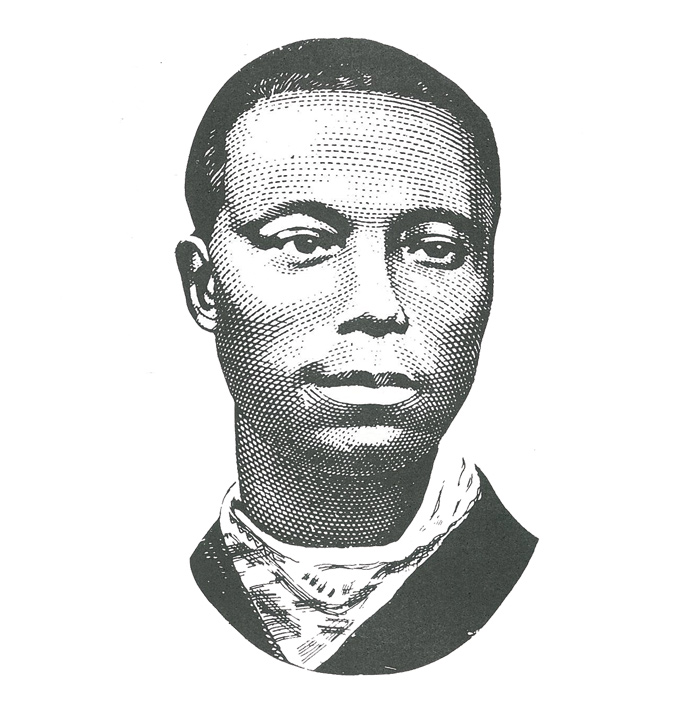
The protest quickly turned into a rebellion that was forcefully crushed by the authorities, and about 500 people were killed while others were flogged and imprisoned including Bogle. He was later hanged on October 24, 1865.
On July 4, 1893, in Roxborough, Manchester Jamaica, a couple gave birth to Norman Washington Manley.
He became a talented Lawer who found the People’s National Party (PNP).
Manley served as president of the party for 31 years. He was one of the founding fathers of Jamaica’s independence from Britain on August 6, 1962.
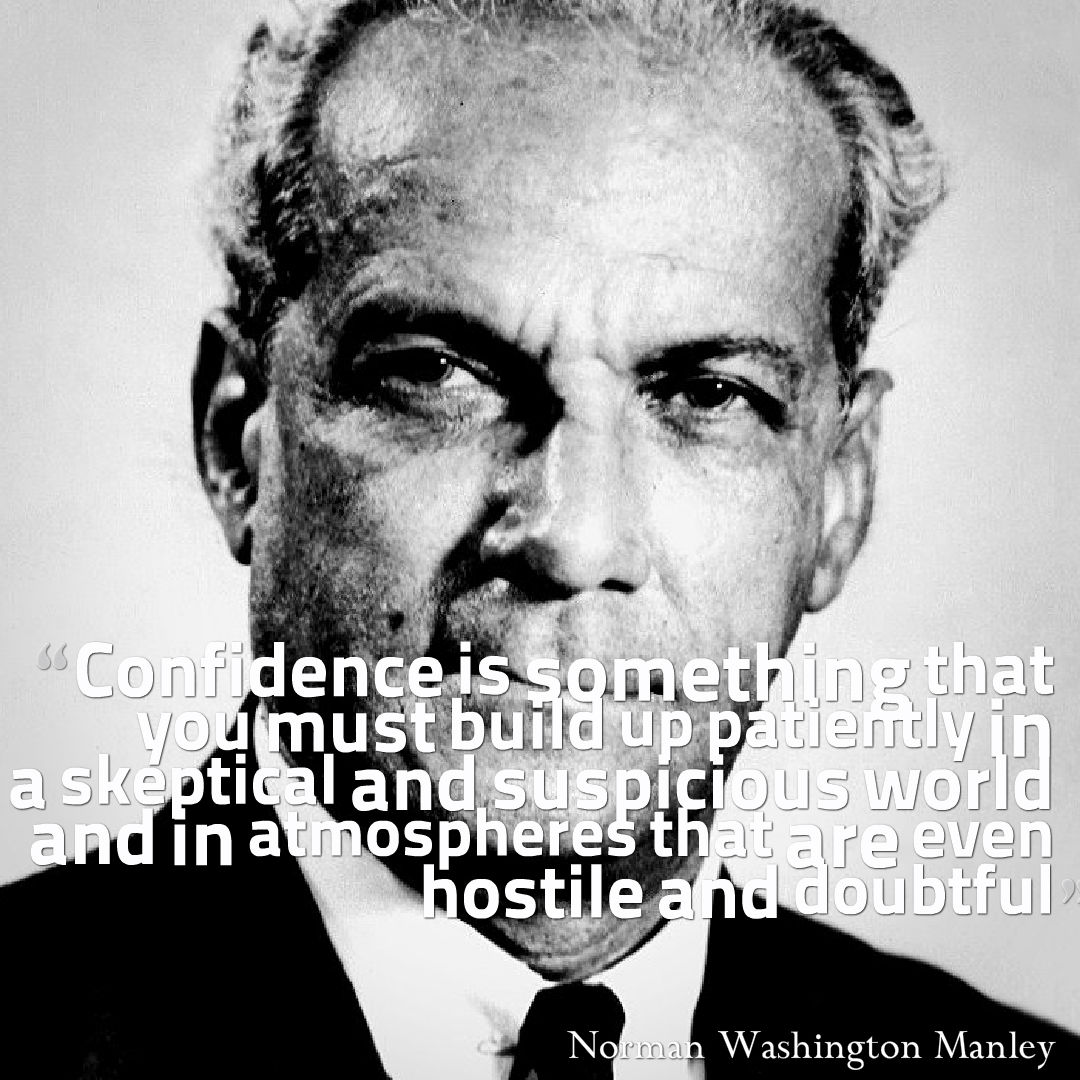
Norman Manley was also a strong advocate for the working-class people in Jamaica and the Federation of the West Indies.
Sir Alexander Bustamante (February 24, 1884 – August 06, 1977)
During the 1920s and 30s, there was much discontent among the workers in Jamaica due to low wages and poor working conditions.
Sir Alexander became the voice of the deprived and underprivileged people in Jamaica fighting for better working conditions and improved social status.
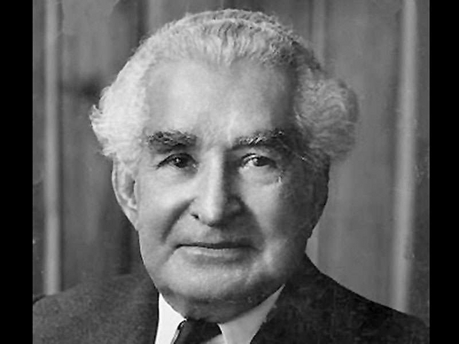
Bustamante was the founder and president of the Jamaica Labour Party (JLP) (1943) and the Bustamante Industrial Trade Union (BITU) in 1938 with the help of his cousin and lawyer Norman Manley.
Michael Manley 10 December 1924 – 6 March 1997)
I was born two years after Jamaica gained independence in a country that was socially and economically segregated. I was born into a family that was part of the economically deprived masses.
It was a time when a good education was only for the financial privilege.
High school education was out of my league until God allowed a political leader who believed in equal rights and justice to become prime minister of Jamaica.
He was the second son of Norman Manley.
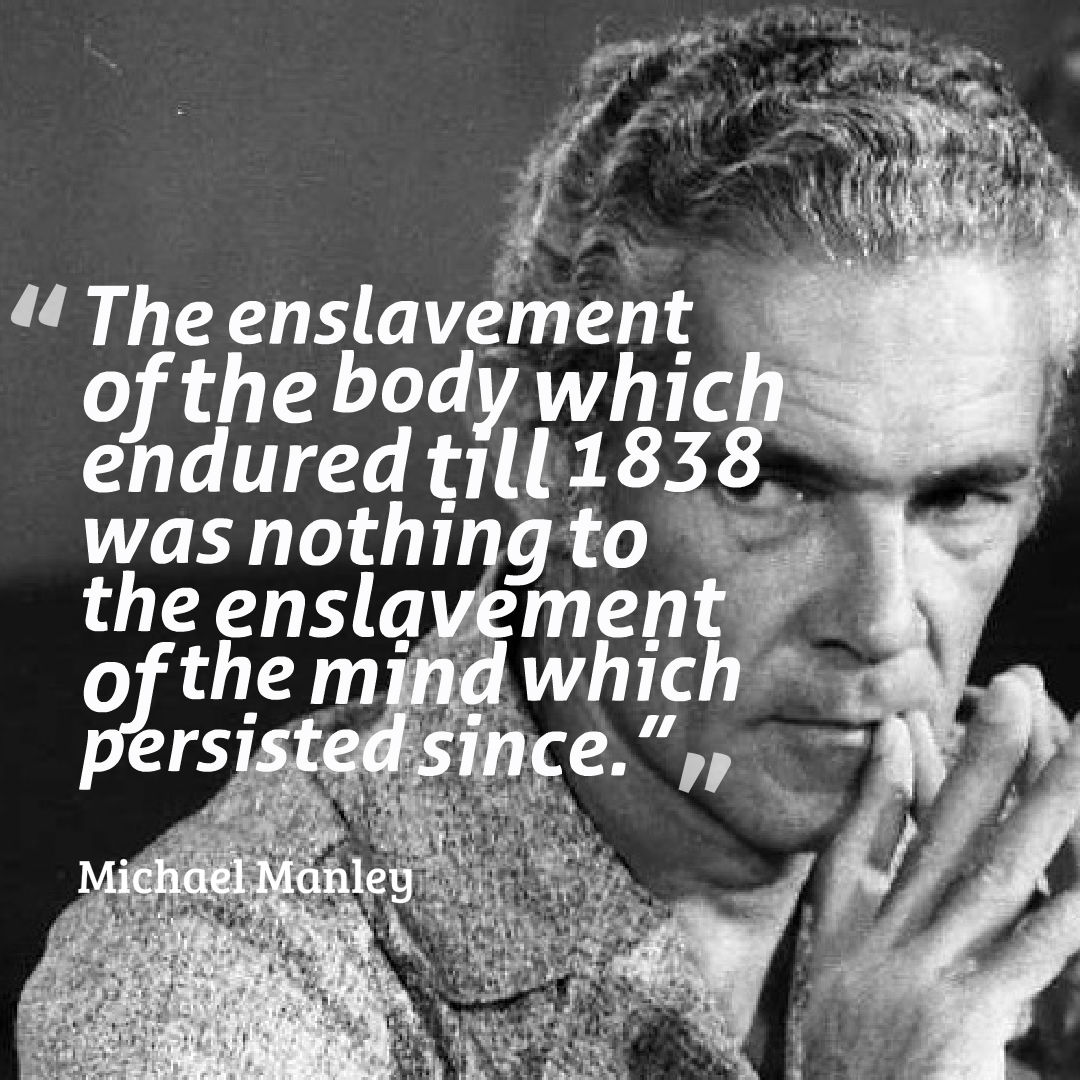
Michael Manley became the fourth prime minister of Jamaica in 1972. He became the champion for poor people with his political ideology of Democratic Socialism.
When Manley came to power, he quickly eradicated the old colonial laws that kept the majority of people in deprivation. He instituted free education for all whether rich or poor.
Prime Minister Manley changed the old colonial laws that only gave legal rights to children born in wedlock.
His advocate for equality coined the slang “no bastard no de again”.
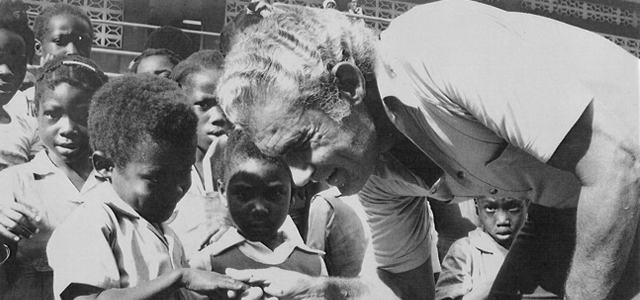
Prime Minister Manley was a people person who did not consider his status too high to associate with the poor and downtrodden people in Jamaica.
In fact, he used his influence and power in government to become the voice for the poor. He established the minimum wage for all employees including domestic workers.
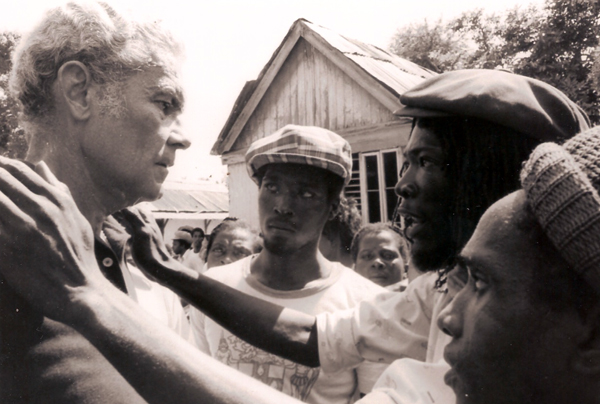
Manley founded the Jamaica Movement for the Advancement of Literacy (JAMAL), which educates adults.
He provided lands to small farmers and encouraged self-reliance by not depending on imported high-end food.
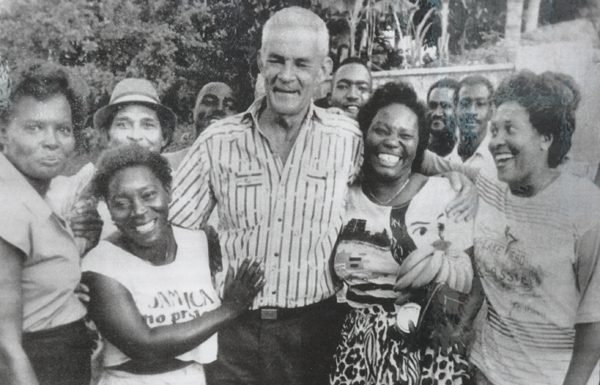
Mr. Manley introduced equal pay for women plus maternity leave and established the national housing trust (NHT) which provided affordable housing for economically less fortunate people.
I bought my first house in Jamaica through the NHT in 1989.
Manley introduced government-subsidized meals, uniforms, and transportation for school children. He also launched other programs for the training of the youths and the participation of employers.
Mr. Manley also increased the government pension and instituted free health for all. He also upgraded hospitals and clinics and increased the number of doctors and nurses in the hospitals.
You can read more about Manley’s regime and accomplishments here and here.
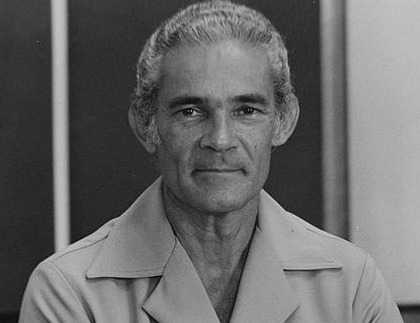
Though Michael Manley has not been awarded national hero status in Jamaica, he is my personal hero because without his policies I would not gain a high school and tertiary education, and neither would I be able to acquire my first house at the age of 23.
Robert Nesta Marley (Bob Marley) was born on February 6, 1945, in St. Ann Parish, Jamaica where he lived in his early years but later moved to live in Trench Town, one of the poorer communities in Kingston.
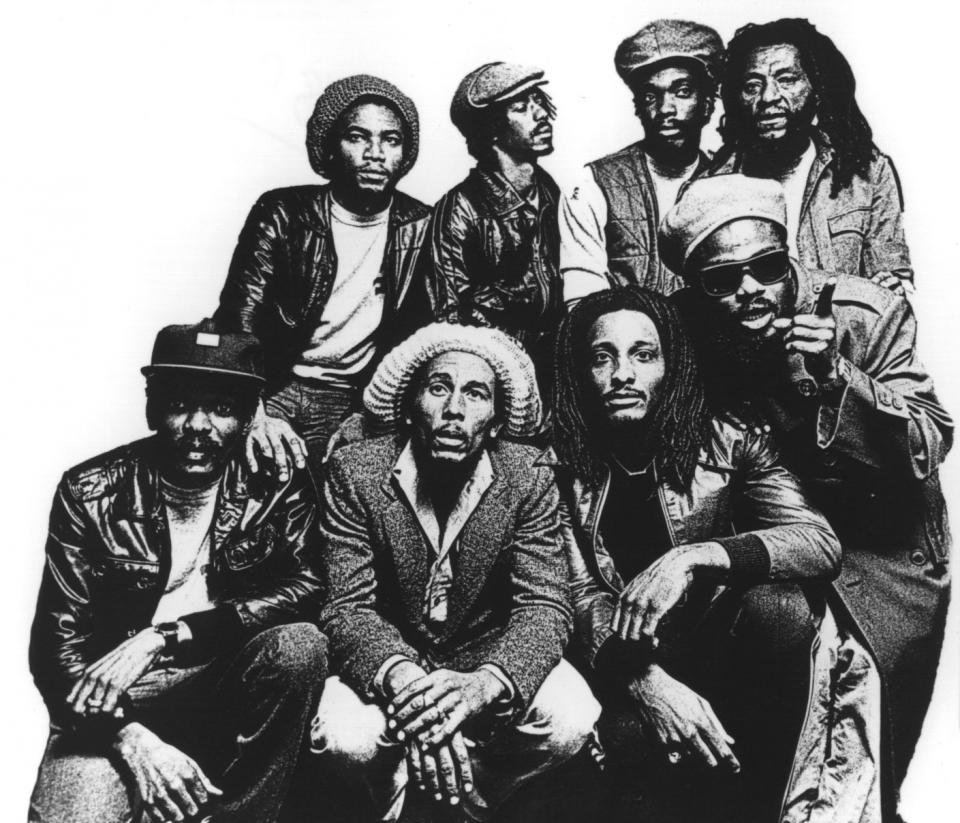
In 1963, Bob Marley and his friends Neville “Bunny” O’Riley Livingston, and Peter McIntosh formed the Wailing Wailers. In January 1964 the group also included Junior Braithwaite, Beverly Kelso, and Cherry.
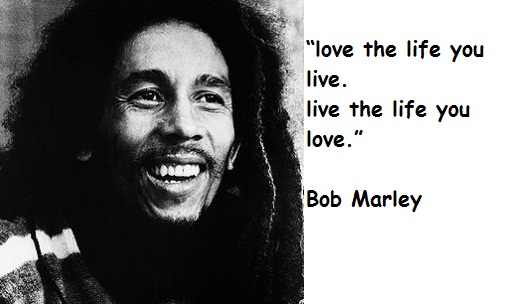
The Wailers’ got their big break in the music industry in 1972, when they received a contract with Island Records. From there, Marley’s career took off, and he traveled worldwide performing.
He sold over 20 million records throughout his career which made him the first international superstar to arise from the Caribbean. Bob Marley and the Wailers elevated reggae music in the international arena.
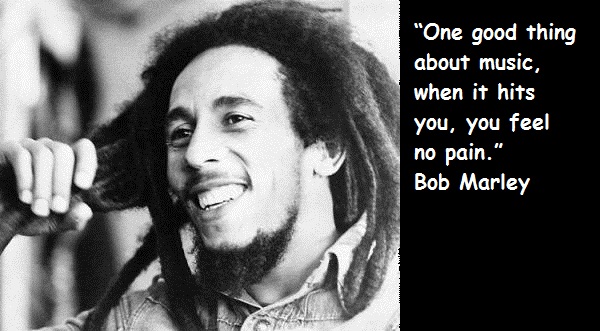
Marley’s songs reflected the social and political condition of the country as well as his personal life. For example, the song ‘Revolution’ released in the 1970s was considered to be embracing the political ideology of the PNP party under the leadership of Michael Manley.
Also, the song ‘Exodus’ supported the Marcus Garvey movement in 1977 and the idea of returning to Africa the mother country.
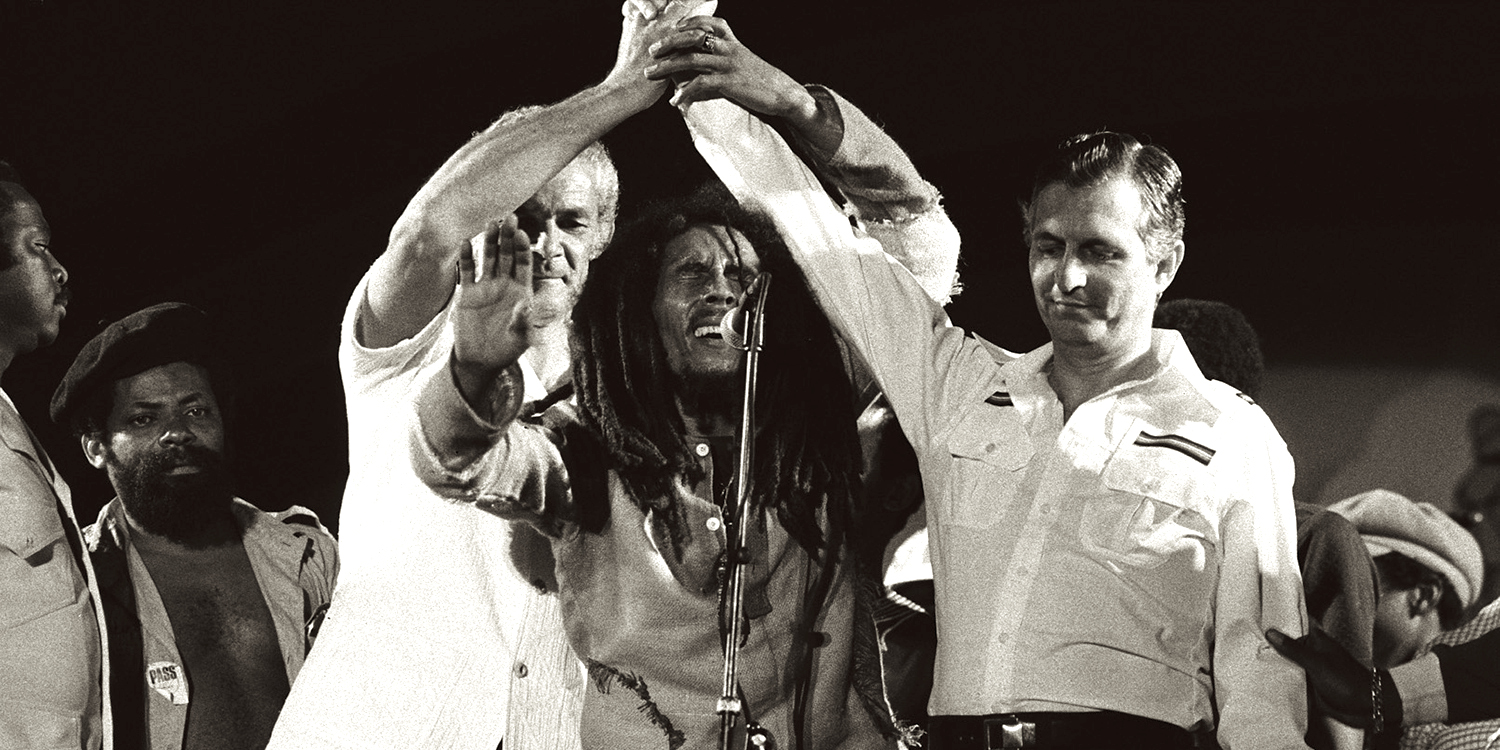
“Is This Love!” is the song that encouraged peace between the two political parties in Jamaica in 1978.
My favorite song by Bob Marley is “Redemption Song” because it epitomized the state of blacks in society today.
It does not matter how much freedom we have received as a race if our mind is not free from the shackles of slavery we will always be in bondage.
When I looked at the present society in Jamaica, many young ladies living in the poor inner city are bleaching their skin to lighten their complexion because they believe this will give them an advantage in obtaining a boyfriend or a husband.
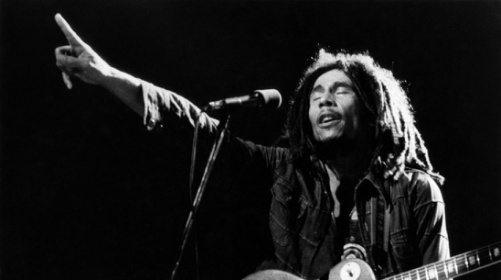
Mothers are also bleaching their children’s skin because they think that with a lighter complexion, they are prettier and are treated better.
A person with a lighter skin complexion sometimes considers themselves better than others with a darker skin tone.
The real issue I believe does not only lie with another race, it also lies within us (the black race). If we are racist among ourselves how can we change racism in the nation as a whole?
How can we take out the speck in our brother’s eyes if we do not first remove the beam or plank in our eyes? (Matthew 7:3).
Individually, we need to love ourselves first, develop our self-esteem and educate ourselves.
Marley died in Miami, Florida, on May 11, 1981, after a battle with cancer. Before he died, Marley received the Order of Merit from the Jamaican government and the Medal of Peace from the United Nations in 1980.
Marley’s legacy in music still lives on internationally.
References: Bob Marley.com; Biography.com
Share with us some of your favorite reggae songs. Share your thoughts and reflection with us in the comment box below.
Thank you so much for reading. Enjoy the music – Redemption Song by Bob Marley.



 Becoming the Oil and Wine
Leave a reply to Beverley Cancel reply